
Signs Custody Transitions Are Affecting Your Child's Mental Health
Custody transitions can be tough on children, impacting their emotional and mental health in ways that aren't always obvious. These transitions - moving between parents' homes - can lead to stress, anxiety, and behavioral changes, especially when routines are inconsistent or parental conflict is high. Here's what you need to know:
- Common Signs: Increased anxiety, clinginess, sadness, social withdrawal, irritability, or physical complaints like headaches and stomachaches.
- Key Stressors: Frequent parental conflict, unstable schedules, financial struggles, and feelings of being caught between parents.
- What Helps: Consistent routines, open communication, and clear custody plans can ease the stress. Tools like custody planning apps and professional therapy can also provide support.
If your child shows persistent signs of distress, such as ongoing sadness, behavioral issues, or trouble at school, it may be time to seek professional help. Early intervention can make a difference in helping your child navigate these challenges.
#1246 - Managing Transition Distress In Kids
Warning Signs That Custody Transitions Are Harming Your Child's Mental Health
Spotting when custody transitions are taking a toll on your child means paying close attention to shifts in their behavior, emotions, and even physical health. Kids don’t always express their struggles in obvious ways, so it’s up to parents to stay alert for the subtle hints that something might be wrong.
Increased Anxiety or Clinginess
Custody transitions can heighten a child’s anxiety, often surfacing right before or during the exchange. You might notice your child becoming unusually clingy, struggling with separations, or worrying excessively about the next visit.
This anxiety doesn’t just stay in their heads - it can show up physically, too. Common signs include stomachaches, headaches, or trouble sleeping, like nightmares or insomnia, especially around transition days.
Sadness or Social Withdrawal
For some children, the stress of custody changes can lead to emotional withdrawal. They might lose interest in activities they once loved or prefer spending time alone. This withdrawal can extend to family interactions, where they may become quieter, less engaged, or avoid participating in household routines.
Noticeable Changes in Behavior
Custody transitions often bring about shifts in behavior. Irritability is a frequent reaction - you might see your child getting frustrated over small things or reacting more intensely than usual. Some kids may act out with verbal outbursts or defiance, while others might retreat inward, becoming overly compliant or emotionally distant.
Physical Complaints Without a Clear Cause
Stress from custody transitions can also show up as physical complaints, even when there’s no medical reason behind them. Your child might frequently mention headaches, stomachaches, or just feeling unwell, particularly around the time of exchanges. Changes in eating habits, like a sudden loss of appetite or overeating, can also indicate underlying stress.
Feeling Caught Between Parents or Self-Blame
Children may feel torn between their parents, leading to guilt for enjoying time with one parent or even blaming themselves for the separation. They might hesitate to share positive experiences with either parent, feeling stuck in the middle of a loyalty conflict.
While some mood swings and clinginess are natural during major life changes, persistent or worsening signs could mean your child needs extra help. These behaviors often reflect deeper struggles tied to unstable routines or ongoing parental conflict. Keeping a close eye on these signals can help you address potential issues early and provide the support your child needs to adjust.
What Makes Custody Transitions Harder for Children
Custody transitions are tough for any child, but some factors can make the experience even more stressful, signaling the need for extra care and attention. Let’s explore how parental conflict, unstable routines, and financial struggles can intensify the challenges children face during these transitions.
Parents Fighting Often
When parents argue frequently, especially during custody exchanges, the tension can deeply affect children. Witnessing these conflicts not only creates stress but can also leave children feeling uncertain and emotionally overwhelmed. In some cases, they may even blame themselves for the disagreements.
Studies show that ongoing interparental conflict is one of the leading factors contributing to emotional difficulties in children during separation. The more parents argue in front of their kids, the harder it becomes for children to process their emotions and adapt to the changes in their family dynamic.
No Stable Schedule or Routine
A lack of routine can make an already challenging situation even harder for children. Stability is key to a child’s sense of security, and when schedules are inconsistent, it disrupts their ability to feel grounded.
"Children thrive on stability. Divorce can turn their world upside down: new schedules, different homes, unfamiliar routines."
- Hayley Collins Blair, Goranson Bain Ausley
When custody arrangements constantly shift or when parents enforce different rules and expectations, children may struggle to find their footing. Not knowing where they’ll be on a given day or what their daily life will look like can lead to anxiety, behavioral issues, and trouble focusing at school. Recognizing this, courts often emphasize the importance of maintaining stability and consistency in a child’s life during custody decisions.
On top of these emotional and logistical challenges, financial difficulties can further complicate a child’s adjustment.
Money Problems and Life Changes
Financial struggles after separation often bring significant life changes - downsizing homes, switching schools, or cutting back on activities - that can add to a child’s stress.
"A wealth of research also points to factors mediating the association, including less effective parenting, interparental conflict, economic struggles, and limited contact with one parent, typically the father (listed in decreasing order of the magnitude of their relation with children's mental health)"
- Brian D'Onofrio, Department of Psychological and Brain Sciences, Indiana University
Children in divorced or separated families are more likely to face financial instability, which can lead to academic challenges, behavioral issues, and feelings of sadness or worry. The uncertainty surrounding their living situation or whether their needs will be met can further heighten their anxiety. They might wonder if there’s enough money for essentials, if they’ll have to move again, or if their parents can still provide the things they care about.
These financial pressures don’t just affect children directly - they also add stress for parents. When parents feel overwhelmed by economic challenges, they may have less emotional energy to support their children during this difficult time. The combined weight of financial instability and major life changes can make it harder for children to adjust to the new reality of custody transitions.
sbb-itb-e357fb0
How Parents Can Help Your Child's Mental Health During Custody Transitions
Custody transitions can be tough on kids, but maintaining stable routines, fostering open communication, and having clear plans can make a big difference in helping them adjust.
Keep Routines the Same
Familiar routines act as an anchor for children during times of change. When everything else feels uncertain, having predictable daily habits can provide a sense of security and stability.
Start by creating a detailed parenting plan. This plan should outline specific guidelines for pick-ups and drop-offs, clarify how co-parents will interact with the child, and set clear boundaries around parenting responsibilities. A well-thought-out plan reduces confusion and helps avoid conflicts that could unsettle your child.
Aligning key routines between both households can also ease your child’s adjustment. While every detail doesn’t need to be identical, keeping core routines - like bedtime schedules, meal patterns, and homework expectations - consistent helps reduce the stress of transitioning between homes.
Good communication between co-parents is essential for maintaining this stability. Share updates regularly about your child’s activities, emotional well-being, and schedules. This ensures both parents are on the same page and can provide seamless support.
At the same time, it's important to embrace a degree of flexibility. Life happens, and being adaptable to unexpected changes or special circumstances shows your child that their well-being is always the top priority.
Once routines are in place, encouraging your child to express their feelings is another critical step in supporting them.
Encourage Your Child to Talk About Their Feelings
Helping your child navigate their emotions during custody transitions requires creating a safe and supportive environment. Many children experience a mix of feelings about changes in their family, and they need to know it’s okay to talk about them openly.
Reassure your child often that they are loved and that the divorce or separation is not their fault. Children may sometimes blame themselves for their parents’ struggles, so hearing this message repeatedly can help ease their worries.
When your child does share their feelings, listen without immediately trying to fix things. Sometimes, they just need to be heard and validated. Avoid putting them in a position where they feel pressured to take sides or reveal details about the other parent’s household, as this can make them feel stuck in the middle.
Keep any disagreements with your co-parent out of your child’s view. Witnessing conflict can make children feel emotionally overwhelmed or responsible for mediating between parents. They should feel free to love and talk about both parents without fear of upsetting anyone.
If your child seems hesitant to open up, try engaging in relaxed activities like car rides, walks, or playing a game. These informal settings can make it easier for them to share their thoughts and feelings.
While communication is key, using helpful tools can also make custody planning smoother.
Use Tools Like Coflo for Better Custody Planning
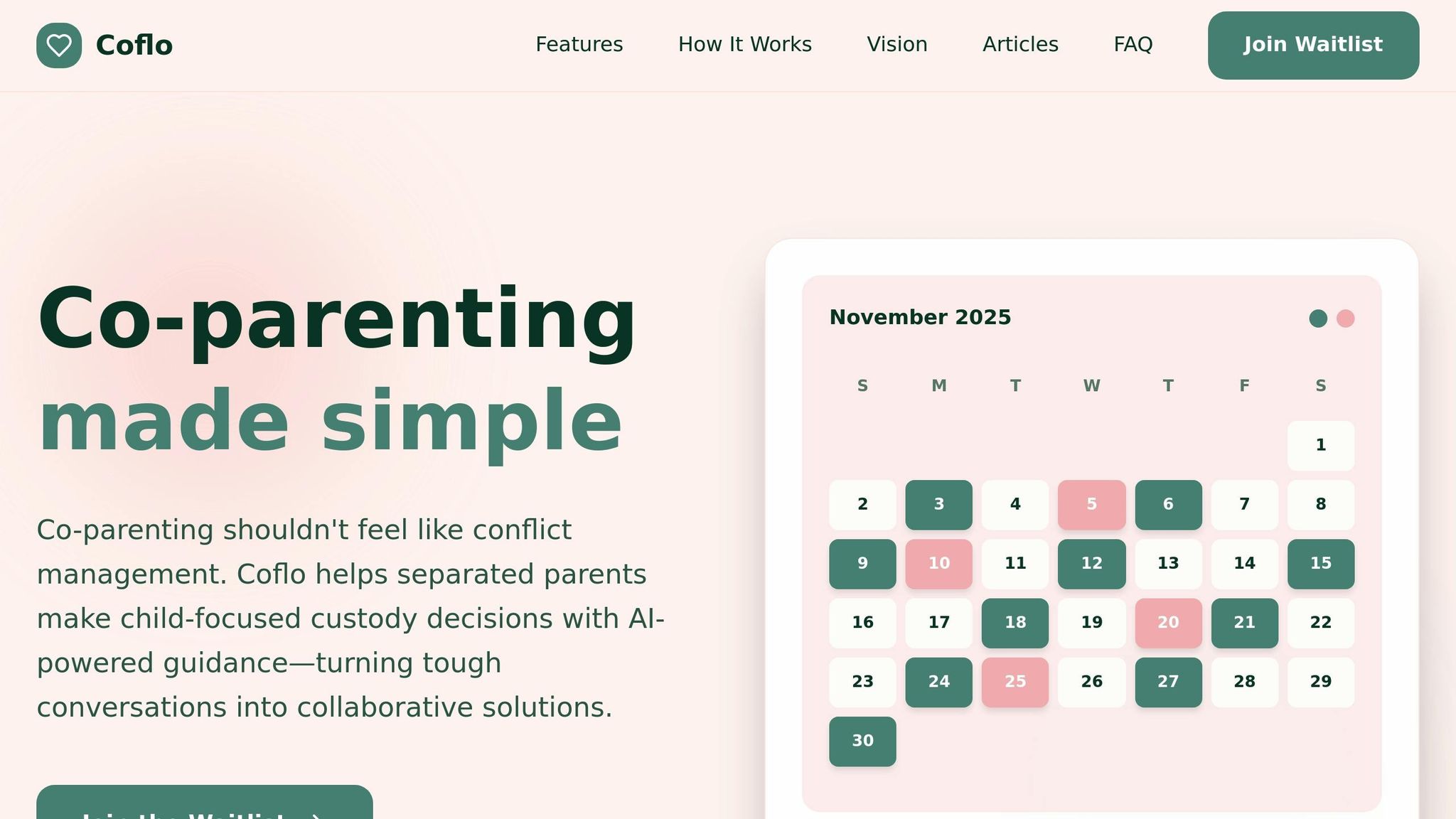
Technology can play a role in helping parents make thoughtful, child-centered custody decisions. Coflo, an AI-powered app, is a great example of how modern tools can simplify the process. It offers personalized custody recommendations based on factors like stability, equal time, and school consistency, using intuitive sliders to help parents prioritize what matters most.
The app provides research-backed insights and a step-by-step guide to help parents understand how different arrangements may affect children at various stages of development. This approach reduces the guesswork and makes planning more collaborative and efficient.
Coflo also prioritizes privacy, using strong encryption to keep your family’s data secure. With this level of protection, parents can confidently explore custody options and work together to create a plan that best supports their child’s needs.
When to Get Professional Help
While most children adapt over time, there are situations where professional help becomes necessary. Knowing when to seek intervention can make a big difference in helping your child navigate difficult emotions and transitions.
Problems That Continue or Get Worse
If your child’s distress doesn’t improve or seems to intensify, it may be time to reach out for professional support. Signs to watch for include ongoing sleep disturbances, anxiety that disrupts daily life, or a noticeable withdrawal from friends and family that doesn’t resolve.
Depression symptoms are particularly concerning during custody transitions. Be alert for signs like persistent sadness, loss of interest in activities they once enjoyed, or feelings of hopelessness or worthlessness. These emotions might become more pronounced as they adjust to a new routine.
Other red flags include prolonged separation anxiety, panic attacks, refusal to attend school, or recurring physical complaints tied to emotional stress.
If your child exhibits self-harming behaviors or talks about suicide, it’s critical to seek immediate professional intervention. These issues should never be ignored or left to resolve on their own.
When Problems Affect Daily Life
Emotional struggles often spill over into daily life, making it harder for children to function. If your child’s academic performance, social interactions, or daily routines are suffering, professional help can provide clarity and support.
School-related challenges can also signal deeper issues. Teachers might notice your child struggling to focus, acting out, or showing signs of sadness or anger. If these behaviors persist despite your support at home, a mental health professional can help uncover and address the root causes.
Social withdrawal is another key indicator. If your child avoids activities they typically enjoy or isolates themselves from friends, it may point to difficulties beyond normal adjustment.
Unexplained physical symptoms, like frequent stomachaches or headaches, that persist after medical evaluations can also suggest that your child is grappling with emotional stress tied to the custody situation.
Family Therapy and Co-Parenting Help
When efforts at home fall short, family therapy can help restore communication and stability. A skilled therapist can work with both parents and children to create coping strategies and improve interactions during these challenging transitions.
Co-parenting counseling is another valuable resource. It helps separated or divorced parents collaborate more effectively, reducing conflict and improving communication. Even a few sessions can make a big difference in creating a more stable and supportive environment for your child.
Individual therapy for your child might also be recommended. This provides a safe, supportive space for them to process their emotions about family changes. Child therapists use age-appropriate techniques to help kids understand and manage their feelings.
Consider seeking professionals who specialize in divorce and custody issues. They’re familiar with the unique challenges children face during these transitions and can offer focused, effective support. If you’re unsure where to start, ask your child’s pediatrician for recommendations. Many insurance plans include mental health coverage, and some communities offer sliding-scale fees based on income, making these services more accessible.
Conclusion: Put Your Child's Mental Health First
Custody transitions don’t have to harm your child’s well-being. Pay close attention to signs like anxiety, sudden changes in behavior, or unexplained physical issues - these can signal underlying struggles that need addressing. Kids often feel torn between parents or blame themselves for family changes, so your support is essential during these times.
Focus on what’s within your control. High levels of parental conflict, unpredictable routines, and major disruptions can intensify stress for your child. By sticking to consistent schedules, encouraging open conversations about their feelings, and providing stability, you can ease their emotional burden.
Taking steps early can make a big difference. Tools like Coflo allow you to create custody schedules that align with your child’s needs, emphasizing stability, school routines, and age-appropriate transitions. While these measures can reduce stress, don’t hesitate to seek expert help if challenges persist.
If your child shows signs of ongoing depression, severe anxiety, or struggles in school, professional support can be a game-changer. Family therapy and co-parenting counseling offer practical strategies that benefit everyone involved.
Your child’s mental health should always come first. With awareness, the right resources, and timely support, you can turn these tough transitions into opportunities for growth, resilience, and stronger family connections.